Why Some Doors Stay Closed — Even When You Think You’re “Qualified”
Not every missed opportunity is rejection. Sometimes, it’s protection. God may close a door not because you’re unqualified, but because He is preparing your character first.
Many teachers want to teach in the U.S., but only a few are truly called. This post explores the waiting season, mindset, and tenacity needed to succeed.
Interested in SY 2026–2027? Send your résumé to apply@teach-usa.net
Many J-1 teachers fear returning home when conditions change—whether due to conflict, persecution, or personal threats. This guide explains what “humanitarian relief” really means, who may qualify, and the risks to your J-1 program so you can make informed decisions about safety, status, and next steps.
If you have a U.S. citizen spouse or child, a J-1 waiver may help you stay in the United States and pursue long-term immigration options. But timing matters. Learn the pros of seeking a waiver, why working with an immigration lawyer helps, and when delaying the waiver might actually be the better choice.
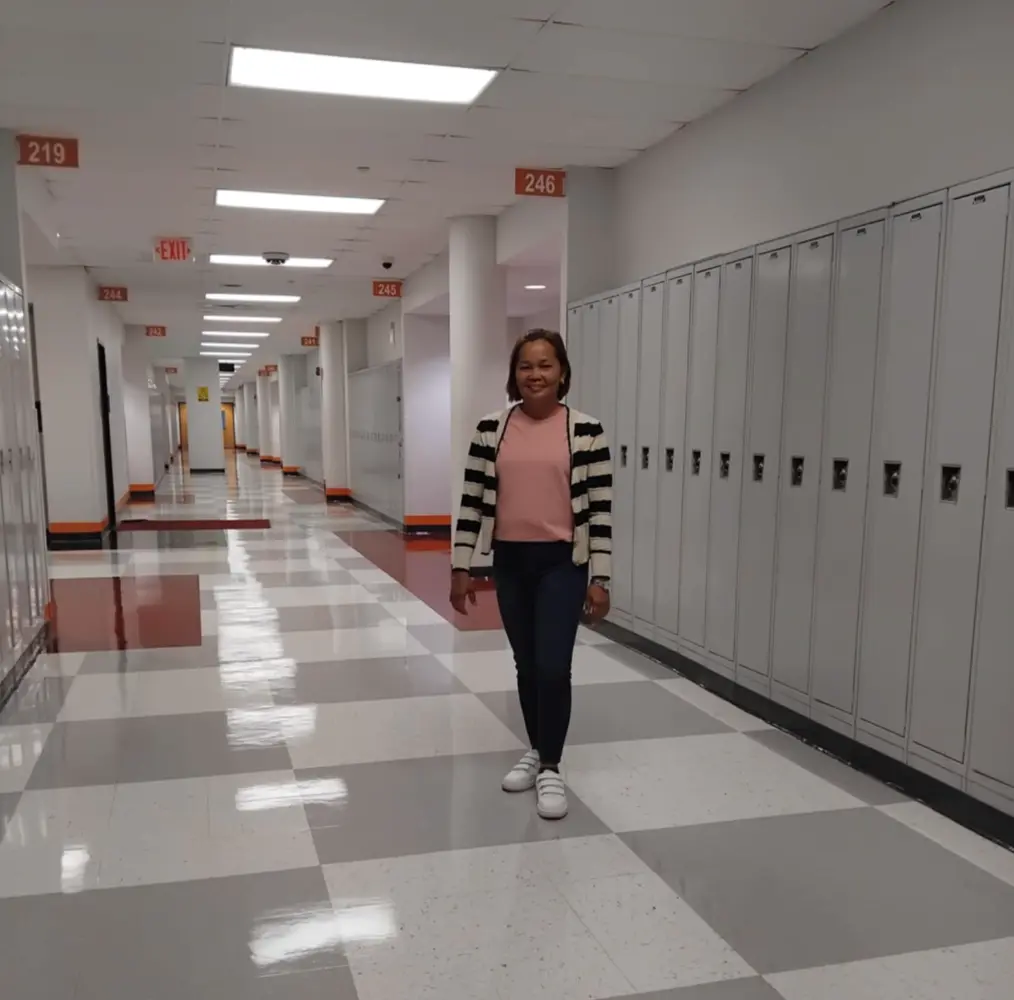
She started as one of our J-1 teachers, went home to complete her 212(e) two-year rule, and returned to the U.S. under an H-1B visa — before the new rules took effect. Today, she’s being processed for her green card. A powerful reminder that when we stay faithful, God moves in ways beyond what we can imagine.
Confused about the NIW and how it affects your J-1 visa? Discover the myths and truths every international teacher needs to know before taking the next step.
The 212(e) waiver and the NIW are not the same. One removes the J-1 home residency rule, while the other opens a green card pathway. Here’s what every teacher should know—and why timing is critical.
The 212(e) rule requires some J-1 teachers to return home for two years—but there are exceptions. The Hardship Waiver and the Persecution Waiver offer possible paths to stay, especially for those with U.S. family or facing conflict back home.
As a J-1 teacher in the U.S., your financial obligations go beyond paying bills. Unpaid debts can affect your credit score, professional reputation, and even your visa pathway. Learn why it’s crucial to honor every commitment.
She once held a J-1 visa and even worked in the U.S. on H-1B. But when she applied for another J-1, the consul said no. Here’s what happened—and the lesson for other teachers.
Walking into a classroom midyear can feel overwhelming—routines are set, students have habits, and you’re stepping in late. The good news? You can reset, connect, and lead with confidence. The Late Start Teacher’s Guide shows you how to turn a late start into a strong start with done-for-you strategies and tools.
So Your Visa Says “Not Subject to 212(e)”… What Does It Mean and What Can You Do Next in Your
Lenebeth’s story is one of resilience. After facing multiple J-1 visa rejections, she never gave up and, after 7 years, finally achieved her dream with an H-1B visa.
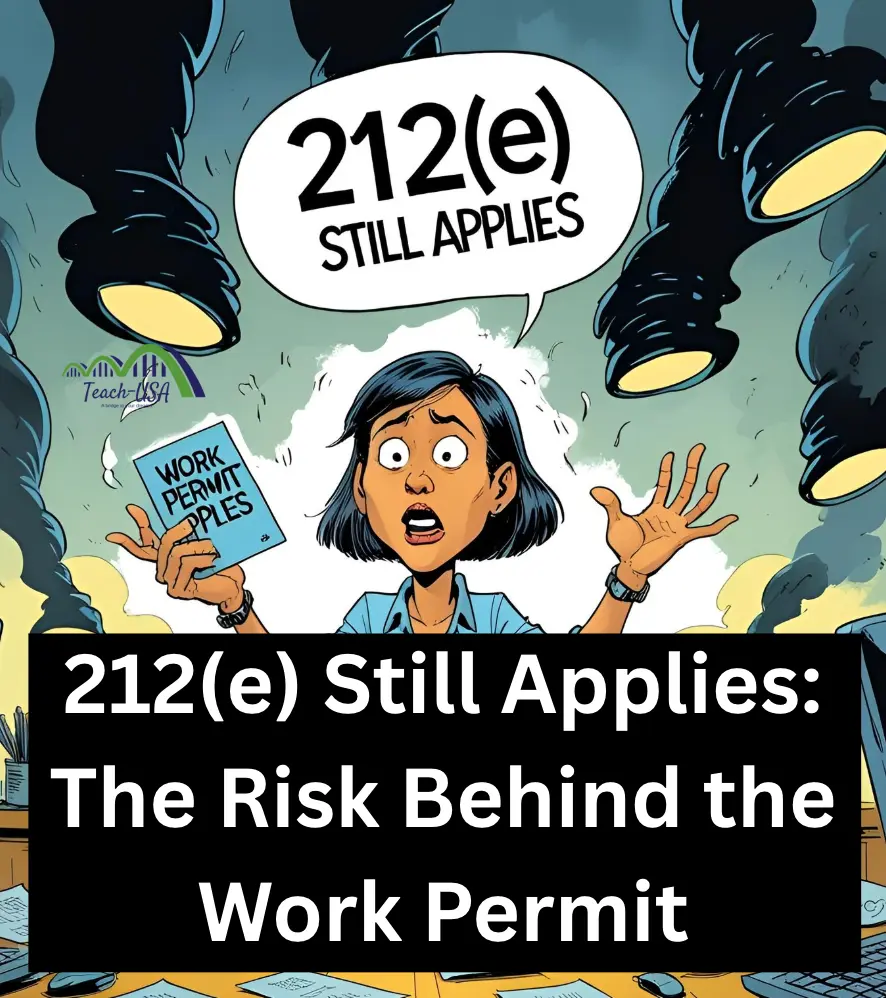
Some J-1 teachers file for EB-1 or EB-2 green cards and receive a work permit while still subject to the 212(e) home residency rule. But a work permit isn’t a visa—and without fulfilling 212(e) or securing a waiver, they risk denial, removal, or being forced to go home. This post explores the hidden risk behind “buying time” and what every teacher needs to know before betting their future on an EAD.
You built a life in the U.S.—but if your J-1 visa has the 212(e) rule, you could lose it all. Here’s how the National Interest Waiver (NIW) can help teachers stay legally and long-term.
Not sure if you’re subject to the two-year home residency rule (212[e])? Learn when to request an advisory opinion from the U.S. Department of State—and exactly how to do it.
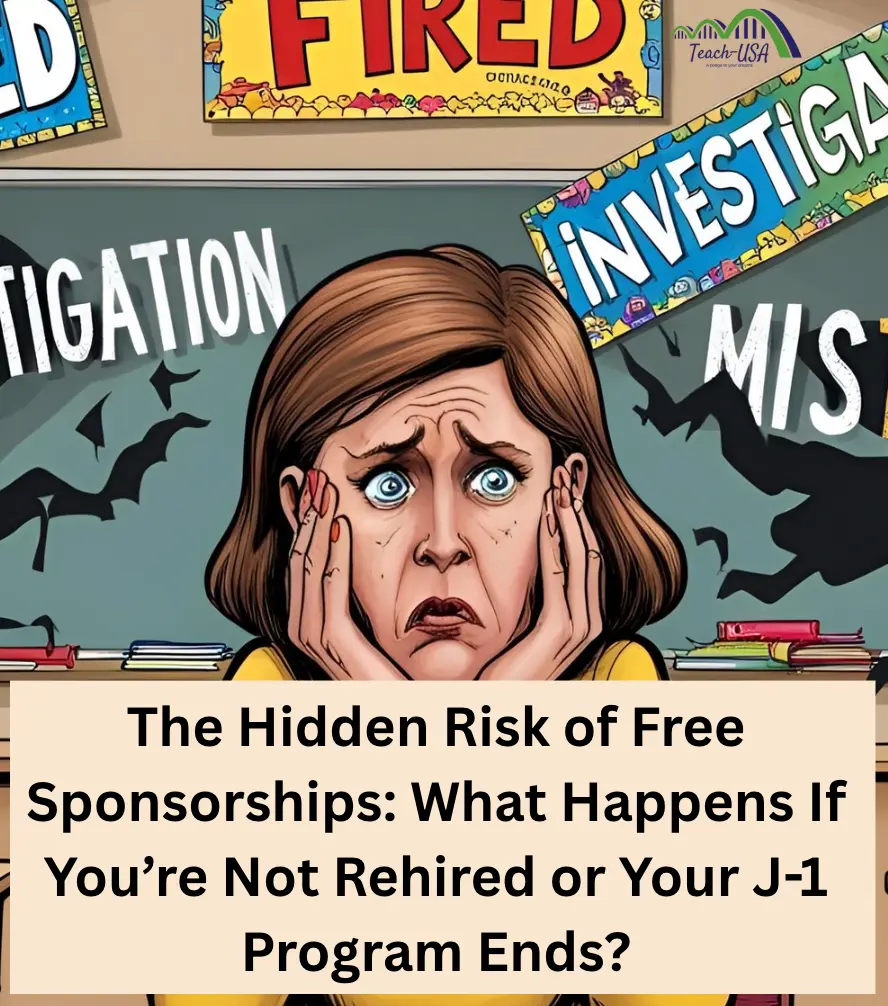
Free J-1 sponsorship programs may sound appealing, but they come with serious risks if you’re not rehired or your program ends. Learn what most teachers overlook—and how to protect your legal status in the U.S.
If you were denied a J-1 visa under Section 214(b), you’re not alone. This post breaks down what it means, why it happens to teachers, and what you can do to strengthen your case and try again—with confidence.
Most J-1 teachers go home without a plan. The NIW may be the less-traveled road—but it’s a powerful option if you want to return and stay for good.
Yes, teachers can qualify for a U visa in the U.S.—but only in specific situations. If you’ve been a victim of a serious crime like domestic violence, assault, or stalking, and you’re willing to cooperate with law enforcement, the U visa may provide legal stay, work authorization, and even a path to a green card.