
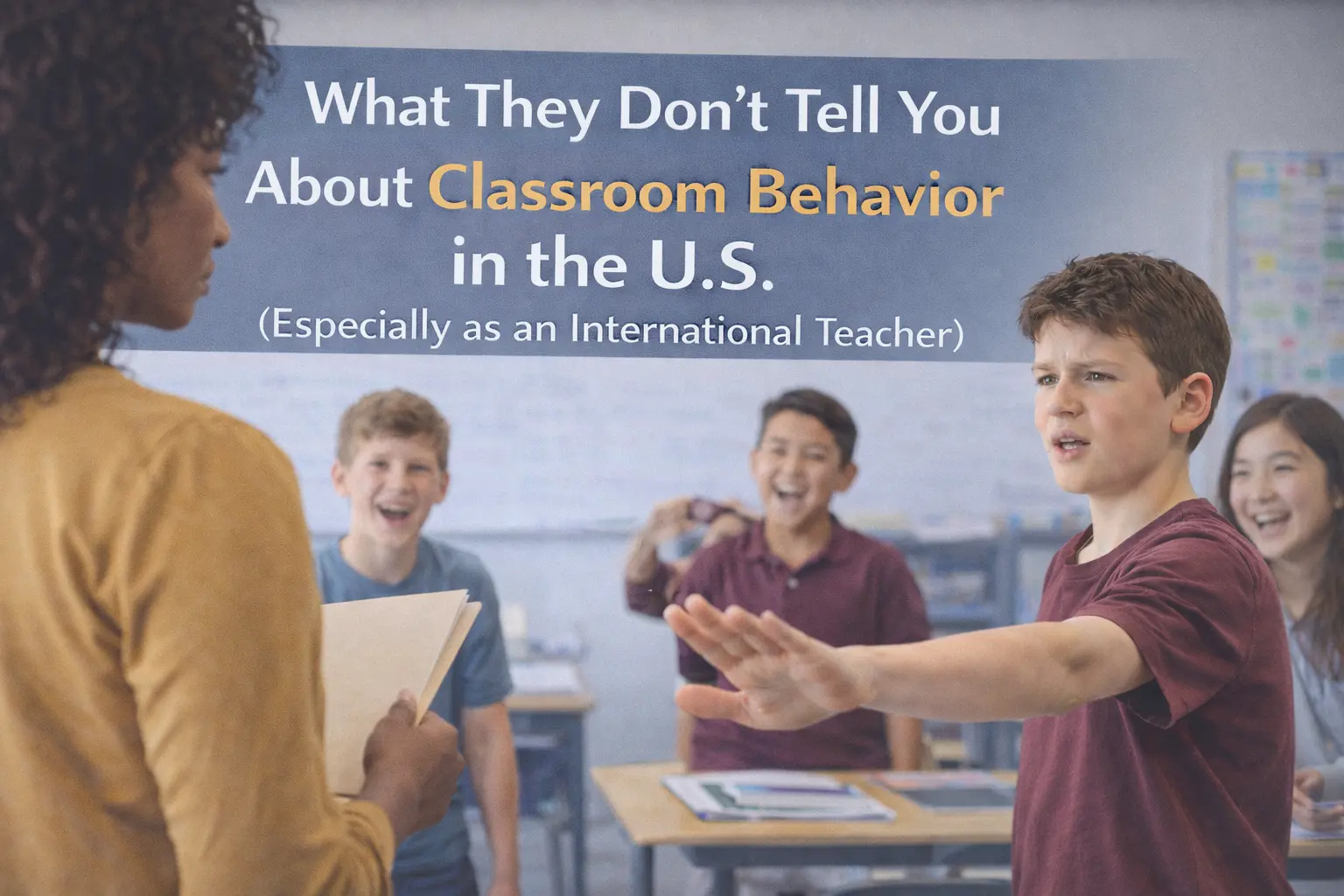
No one really tells you this before you step into a U.S. classroom—especially when it comes to student behavior.
You go through interviews.
You prepare your lesson plans.
You feel excited and ready.
But then you walk into your classroom…
And something feels different.
Not wrong.
Just different.
And sometimes, overwhelming.
They don’t tell you students will talk back… confidently.
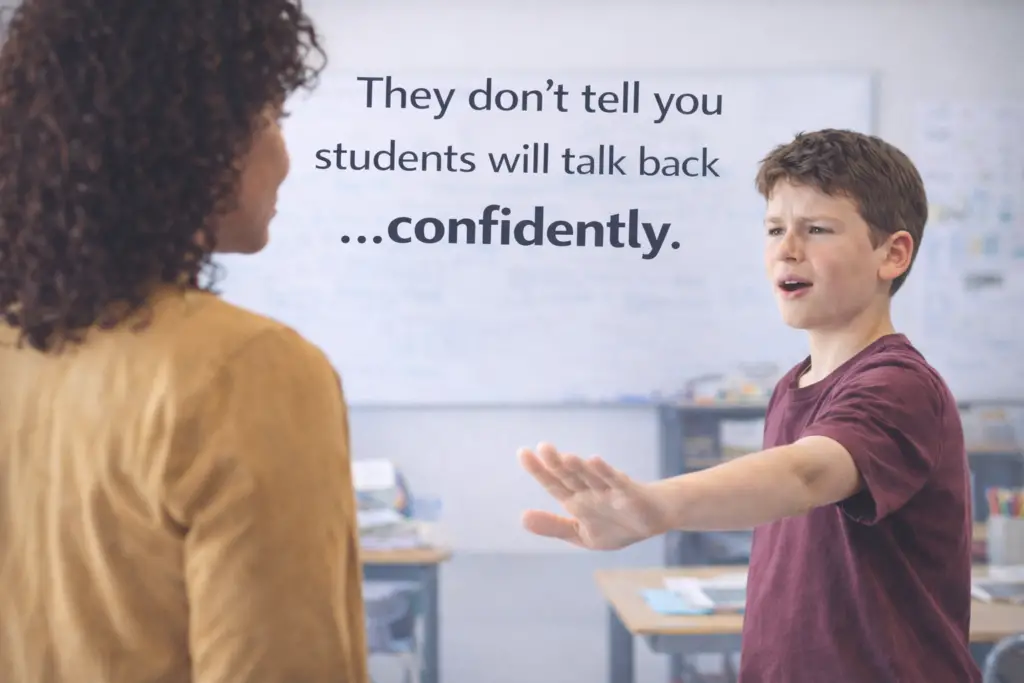
In many U.S. classrooms, students are encouraged to express themselves. This can feel surprising, especially if you come from a more structured system. It’s not necessarily disrespect—it’s a different kind of classroom culture.
They don’t tell you “No” is a complete answer from a student.
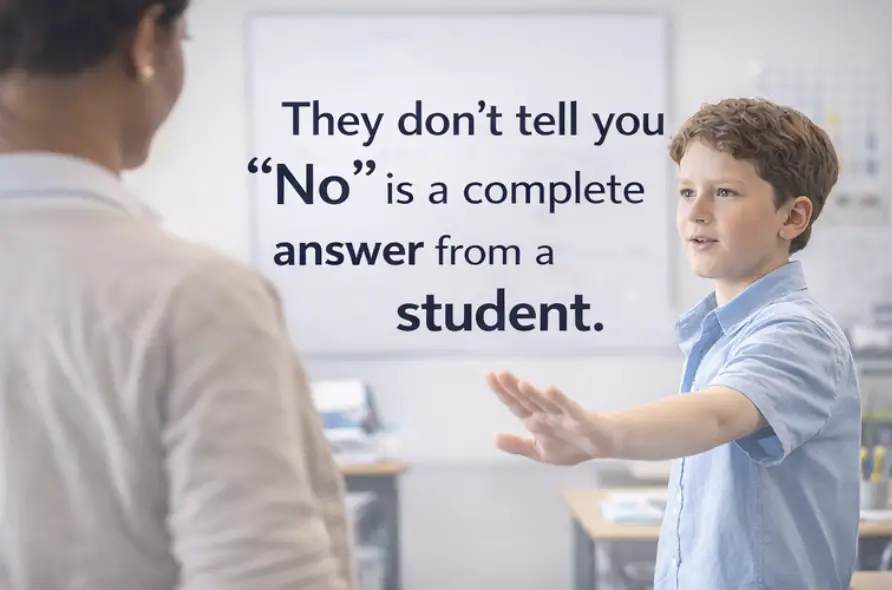
You may ask a student to complete a task, and they simply say “No.” Knowing how to respond calmly, without escalating the situation, becomes an important skill.
They don’t tell you classroom management matters more than your lesson plan.
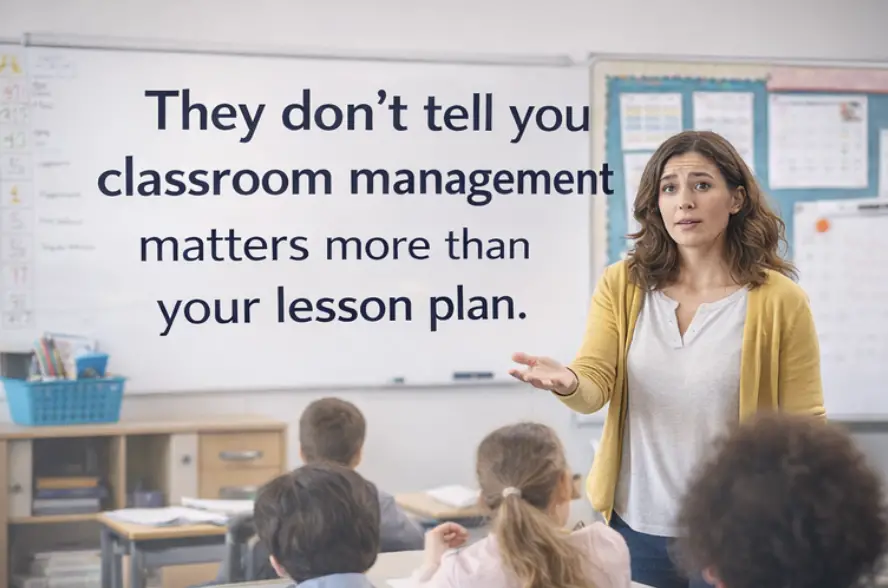
You can prepare the most engaging lesson, but without clear expectations and routines, it can quickly fall apart. Structure comes first, then instruction.
They don’t tell you parents may question your decisions.
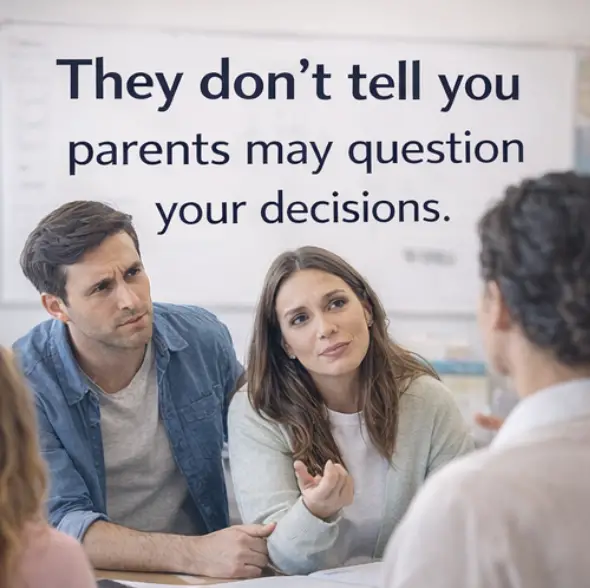
Parent communication is part of the system. At times, you may feel challenged or questioned, but learning how to communicate clearly and professionally makes a big difference.
They don’t tell you consistency is everything.
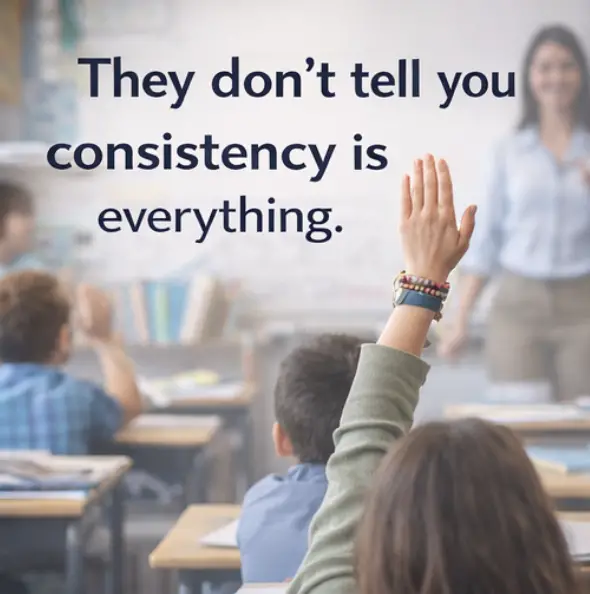
Students pay attention to patterns. The more consistent you are with expectations, consequences, and routines, the more stability you create in your classroom.
They don’t tell you it can feel personal… even when it’s not.

There will be moments that feel heavy. But most of the time, it’s not about you. It’s about adjusting to a new environment and learning how to navigate it with confidence.
If you’re experiencing this right now, you are not alone.
Many international teachers go through these same challenges in their first year.
The good news is that classroom behavior is something you can learn, improve, and manage with the right strategies.
If you need something simple and practical to guide you, you can check this here:
https://teach-usa.myflodesk.com/quick-fix
It’s a quick, easy-to-follow guide designed for real classroom situations—especially those moments when you’re not sure what to say or do next.