From J-1 to Green Card: Kareen’s Story
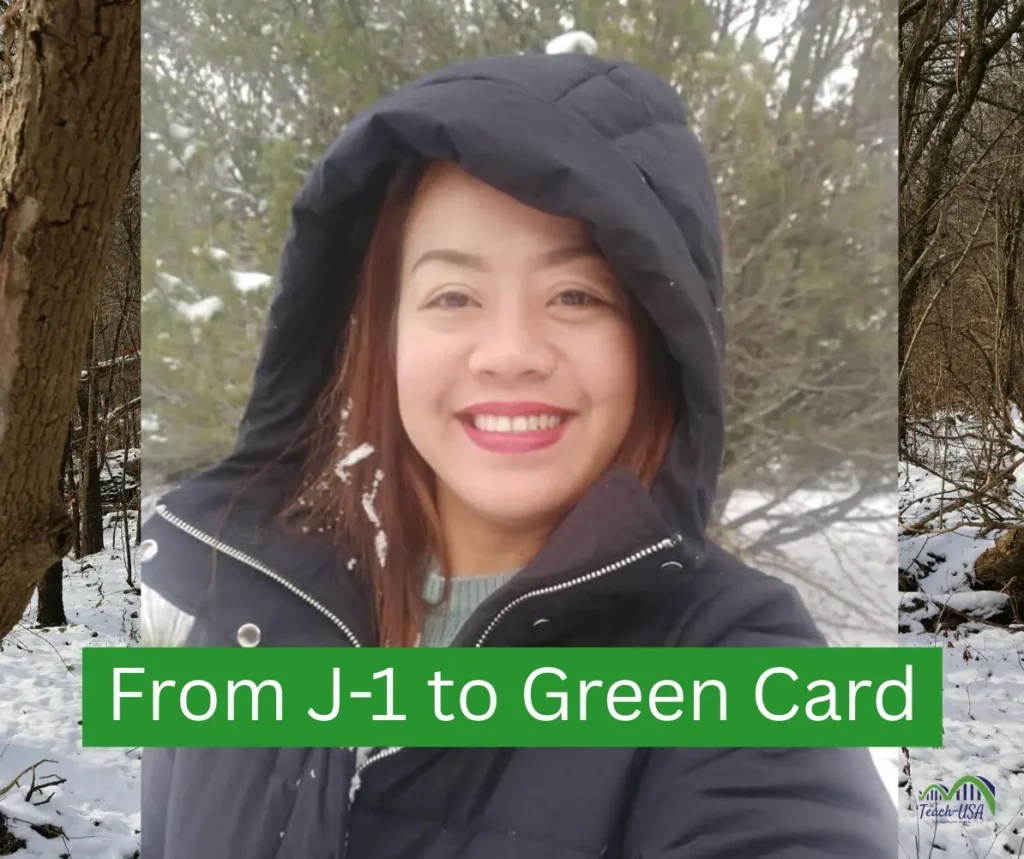
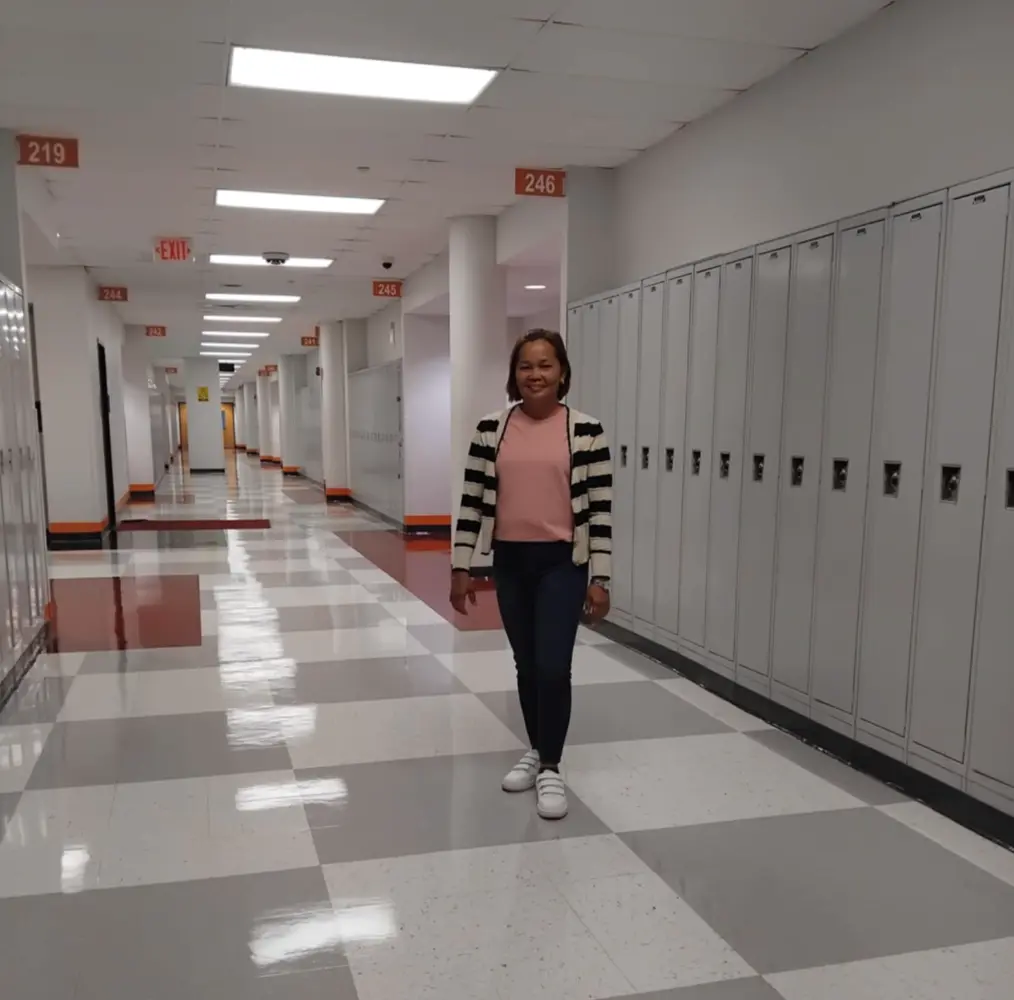
Kareen went from J-1 teacher to U.S. green card holder by preparing early, completing her 212(e) home residency requirement, and following the consular process step by step.
Visa Help, Teaching Tips, and Money Advice for International Educators
Kareen went from J-1 teacher to U.S. green card holder by preparing early, completing her 212(e) home residency requirement, and following the consular process step by step.
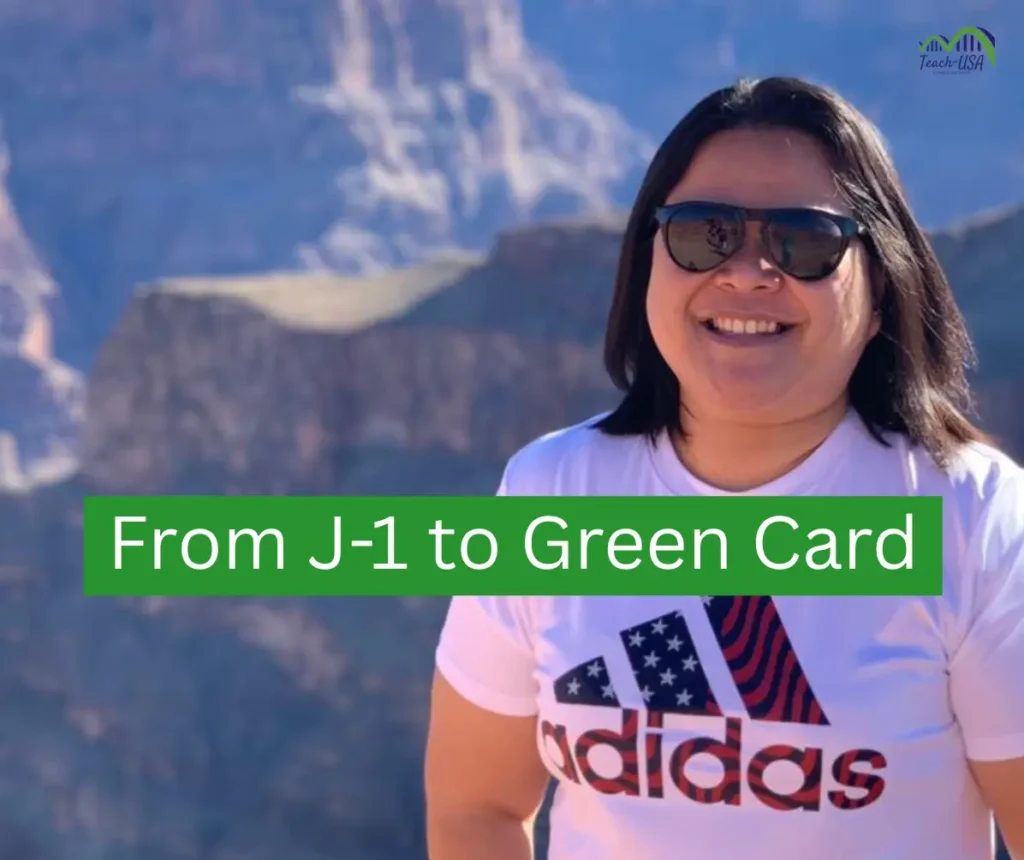
Carla went from J-1 teacher to U.S. green card holder by working hard, asking her school for sponsorship, and following the process patiently.
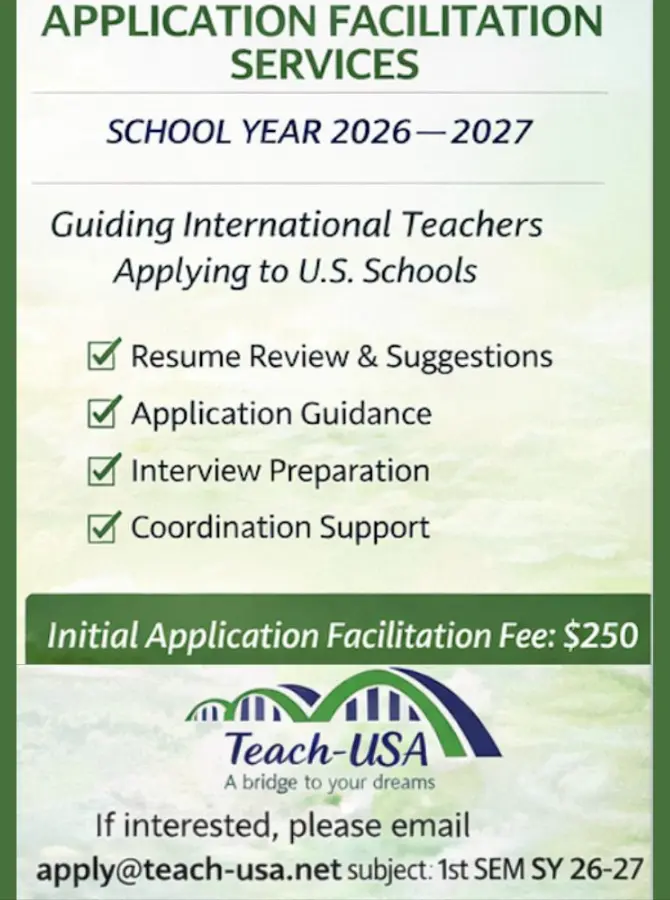
Teach-USA is now accepting participants for Application Facilitation Services for SY 2026–2027. This service provides guided support, resume check and suggestions, application guidance, and interview preparation for qualified international teachers—without guarantees of interviews or job offers.
In recent years, more international teachers and workers have heard about T and U visas as possible ways to stay in the United States. These visas are sometimes mentioned in online groups, private messages, or casual conversations — often during moments of fear, uncertainty, or when a temporary visa is nearing its end. Because of … Read more
The Teach-USA journey is not only about skills or degrees. It shows gratitude at the beginning and reveals character as the journey continues, especially after dreams are reached.
Many teachers are NIW-ready without realizing it. Here are the 7 clearest signs that your impact, leadership, and service may already align with NIW criteria.
Many J-1 teachers fear returning home when conditions change—whether due to conflict, persecution, or personal threats. This guide explains what “humanitarian relief” really means, who may qualify, and the risks to your J-1 program so you can make informed decisions about safety, status, and next steps.
She started as one of our J-1 teachers, went home to complete her 212(e) two-year rule, and returned to the U.S. under an H-1B visa — before the new rules took effect. Today, she’s being processed for her green card. A powerful reminder that when we stay faithful, God moves in ways beyond what we can imagine.
The 212(e) waiver and the NIW are not the same. One removes the J-1 home residency rule, while the other opens a green card pathway. Here’s what every teacher should know—and why timing is critical.
As a J-1 teacher in the U.S., your financial obligations go beyond paying bills. Unpaid debts can affect your credit score, professional reputation, and even your visa pathway. Learn why it’s crucial to honor every commitment.
Walking into a classroom midyear can feel overwhelming—routines are set, students have habits, and you’re stepping in late. The good news? You can reset, connect, and lead with confidence. The Late Start Teacher’s Guide shows you how to turn a late start into a strong start with done-for-you strategies and tools.
Lenebeth’s story is one of resilience. After facing multiple J-1 visa rejections, she never gave up and, after 7 years, finally achieved her dream with an H-1B visa.
Not sure if you’re subject to the two-year home residency rule (212[e])? Learn when to request an advisory opinion from the U.S. Department of State—and exactly how to do it.
Free J-1 sponsorship programs may sound appealing, but they come with serious risks if you’re not rehired or your program ends. Learn what most teachers overlook—and how to protect your legal status in the U.S.
If you were denied a J-1 visa under Section 214(b), you’re not alone. This post breaks down what it means, why it happens to teachers, and what you can do to strengthen your case and try again—with confidence.
Most J-1 teachers go home without a plan. The NIW may be the less-traveled road—but it’s a powerful option if you want to return and stay for good.
J-1 visa teachers must now pass a new level of screening: their social media. Here’s what you need to know — and avoid — before your U.S. embassy interview.
The J-1 visa interview process may be paused, but your preparation doesn’t have to be. If you’re an international teacher waiting for a U.S. embassy appointment, here’s how to stay ready, focused, and proactive.
If you’re still waiting for a U.S. school to say yes, you’re not alone. Here’s a real-talk Q&A to help you stay grounded, encouraged, and ready—without burning out or giving up.
If you’re a teacher on an H-1B visa, don’t wait until your 6th year to think about permanent residency. Learn what your district is required to pay, what costs you might cover, and how the NIW route gives you another option if your school won’t sponsor you.